



When Should You Replace a Nozzle? 7 Signs of Wear and How to Measure
When a first layer refuses to stick or unexplained surface imperfections keep appearing, the culprit is usually assumed to be a settings problem. In most cases, however, the real cause is a silently worn nozzle. When nozzle replacement time arrives, your printer will tell you in several distinct ways — you just need to know what to look for.
7 Signs of Wear
If several of the following signs appear at the same time, it is time to take a close look at your nozzle:
- Inconsistent first layer: If one area of the same print bed sticks while another lifts, the nozzle opening may have widened.
- Increased line width: As the orifice wears larger, extrusion width grows and dimensions drift.
- Uneven sheen and surface roughness: When flow control deteriorates, surface texture becomes irregular.
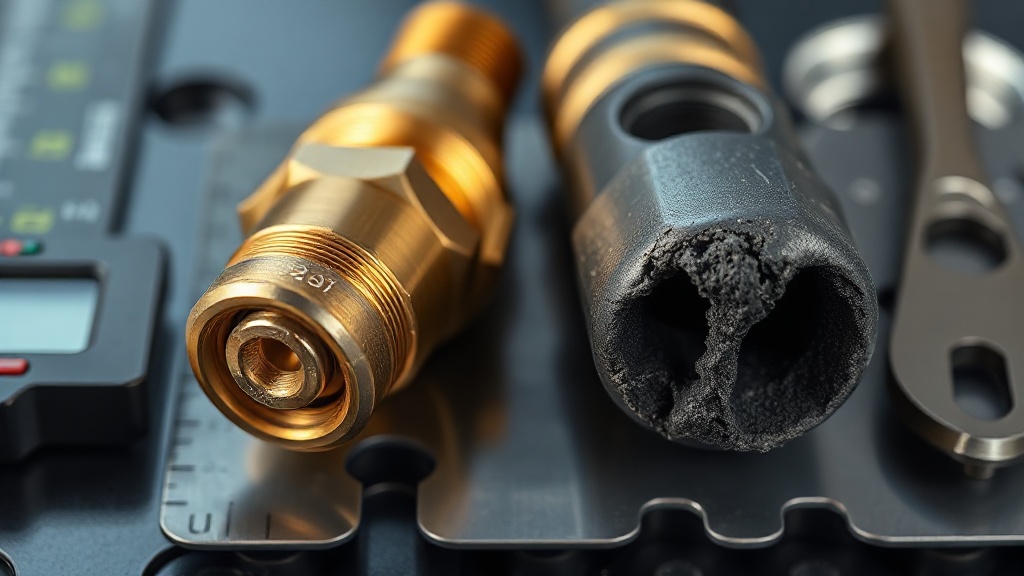
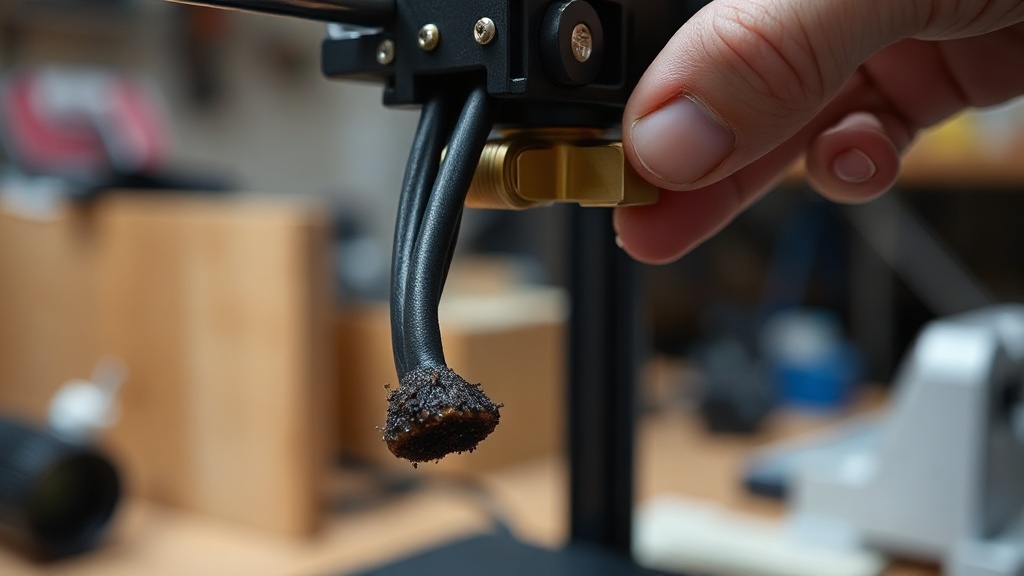
- Frequent clogging: Scratches on the inner bore and carbon build-up restrict material flow.
- Corner oozing: Once the tip geometry degrades, retraction no longer works as expected.
- Dimensional deviation: If a calibration cube consistently comes out oversized when measured with calipers, that is a strong indicator.
- Increased filament consumption: A wider orifice pushes through more material.
How to Measure the Diameter
The most reliable method is to print a calibration test before removing the nozzle. Print a 20 mm test cube and measure it with digital calipers; if you consistently see a deviation of 0.2 mm or more, wear is likely. For a removed nozzle, hold it up to a backlight and look into the opening: on a new nozzle the hole is a clean circle with sharp edges. An oval, notched, or visibly enlarged opening means it is time for a replacement.
Which Materials Shorten Nozzle Life?
Brass nozzles hold up well with PLA and PETG over long periods. However, glass-fiber- or carbon-filled filaments are abrasive and can wear out a standard brass nozzle in just a few kilograms of material. If you work with these types of filaments, inspecting the nozzle regularly will prevent unexpected drops in quality.
Because our workshop works with 17 different materials, we treat nozzle maintenance as an integral part of our production routine — which is how we maintain dimensional consistency in every part we ship. If you need a calibrated print for your project, you can request a quote on our quick order page.
If you notice any of these signs in your nozzle, make sure to run a quick calibration test before swapping it out.


 Türkçe
 العربية
 Русский
 فارسی
فارسی Deutsch