
3D Printing Solutions for Aerospace
Near-metal stiffness with carbon-reinforced nylon, weight savings under the wing
From the wing to the cabin, the engineer’s worst enemy in every design is excess grams. A bracket, a duct or an assembly fixture being heavier than it needs to be drives fuel consumption up and pulls payload and endurance down. In this equation, material selection alone becomes a performance decision. That is exactly why additive manufacturing, with a plastic-bodied yet engineering-grade approach, is rewriting the weight budget in aerospace.
A Genuine Alternative to Metal: Reinforced Nylon
Carbon and glass fiber reinforced nylon delivers stiffness approaching aluminium at a fraction of the weight of metal. For brackets and assembly fixtures, this is not a claim but a field-measurable alternative to machined metal parts; you can design a component that carries the same load while making it noticeably lighter. In zones exposed to high temperatures, PC and high heat-resistant grades come into play; at points where vibration and impact are intense, the flexible strength of TPU and nylon reduces the risk of fatigue cracking. With a portfolio spanning seventeen different engineering materials in total, we change the grade according to the load on the part, not you.
Typical Work Items from UAV to Wind Tunnel
Because weight savings in unmanned aerial vehicles translate directly into flight time, these platforms are where reinforced polymers find the most traction. The items below summarize the part groups we frequently produce in aerospace projects:
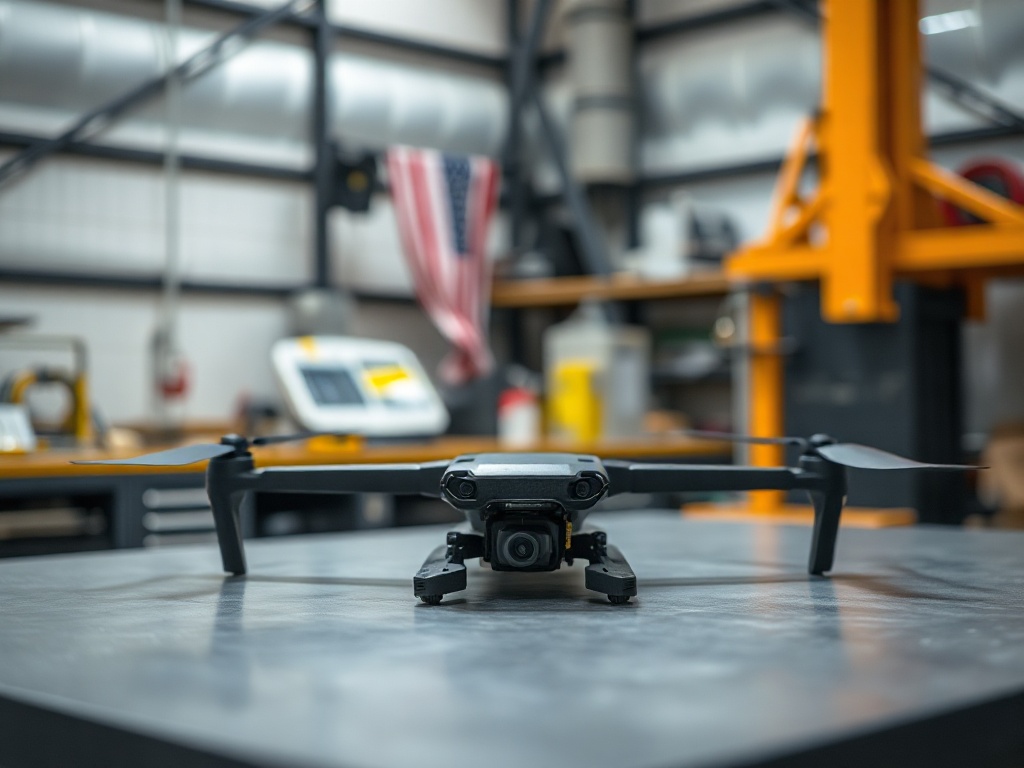
- UAV / drone components: body panels, motor mounting brackets, propeller guards and lightened chassis parts
- Composite-reinforced structural parts: load-bearing brackets, air/fluid ducts and connecting elements
- Wind tunnel test models: scaled bodies that represent flow behaviour with high surface quality
- In-cabin components: clips, holders, ducts and lightweight trim elements
- Assembly and production equipment: jigs, fixtures and alignment aids
- Functional prototypes: samples ready for form, fit and function testing
Out-of-Production Parts and Consistency Across a Series
In aerospace, a part dropping out of the supply chain can sometimes lock up an entire maintenance process. With our reverse engineering capability, we take parts whose catalogue is closed or whose manufacturer no longer exists, capture them from measurement and make them reproducible again; even if all you have is a sample, we can rebuild the design file. Because we maintain part-to-part dimensional consistency in low- and medium-volume series, the transition from a single prototype to a small production batch does not introduce quality loss. If you need support on the design side, we stand by you during the stage of getting the part ready for printing as well.
Confidentiality is not up for negotiation in this sector; we run all projects under NDA and use the geometry and files you share only for your job. Once you approve a part, it is in most cases sent to print within one business day, so your validation loop does not wait. On the cost side there are no surprises: you see a clear price based on the part’s weight, and you only pay after approving the job.
Do you have a bracket, fixture or UAV component pushing the limits of your weight budget? Share your geometry and let’s clarify our material and price proposal together. You can fill out the order form to get a quote right away.
How Does the Process Work for Aerospace Projects?
After you upload your 3D model (STL, STEP or 3MF), we assess the part’s geometry, wall thickness and load conditions. We recommend the most suitable material and infill ratio for UAV body parts, motor brackets or wind tunnel test models. The price is calculated transparently per gram; production begins after your approval and payment is taken once printing is complete.
Which Parts Is It Suitable For?
- Lightweight structural parts: High strength-to-weight ratio with carbon or glass fiber reinforced filaments.
- UAV/drone components: Body panels, motor mounts, antenna and sensor holders.
- Brackets and assembly elements: Reproducible, lightweight and durable holders.
- Wind tunnel test models: Aerodynamic prototypes and scaled body models.
Confidentiality and Engineering Support
We understand the sensitivity of aerospace and defence projects. We sign an NDA (non-disclosure agreement) with every customer who requests one and do not share your files or design data with third parties. By offering engineering advice on print orientation, infill structure and material selection, we help you improve the functional performance of your part.
Frequently Asked Questions
Which reinforced materials do you use for aerospace parts?
For parts that require a high strength-to-weight ratio, we offer carbon fiber and glass fiber reinforced filaments (e.g. PA-CF, PETG-CF). We also provide engineering plastics that are resistant to heat and chemicals. Out of a total of 17 materials, we choose the one best suited to your part’s load and temperature conditions together with you.
How is the price of UAV and bracket parts determined?
Pricing is done transparently per gram; the part’s weight, the selected material and the infill ratio determine the total amount. You can see the exact figures on our production prices page and get a fast quote for your design.
Which file formats do you accept?
We accept STL, STEP (STP) and 3MF formats. For engineering parts we recommend choosing the STEP format for dimensional accuracy. If there are minor errors in your file, we check it before printing and inform you.
Is the surface quality sufficient for wind tunnel test models?
For aerodynamic test models we use a fine layer height and an appropriate print orientation to reduce layer lines. If desired, we provide guidance for sanding and surface improvement. For scaled body models and prototypes, we pay close attention to dimensional precision.
How long is the lead time and when is payment taken?
For standard parts the print time is 1 business day; the total time may vary depending on part size, quantity and material. We take your approval first and collect payment after completing the print. This way you never pay before seeing the result.
How is the confidentiality of my design data protected?
We sign an NDA (non-disclosure agreement) with customers who request one and use your files only for production purposes. Your designs are not shared with third parties and, upon your request, are deleted after production. In aerospace and defence projects, confidentiality is our priority.
 Türkçe
 العربية
 Русский
 فارسی
فارسی Deutsch