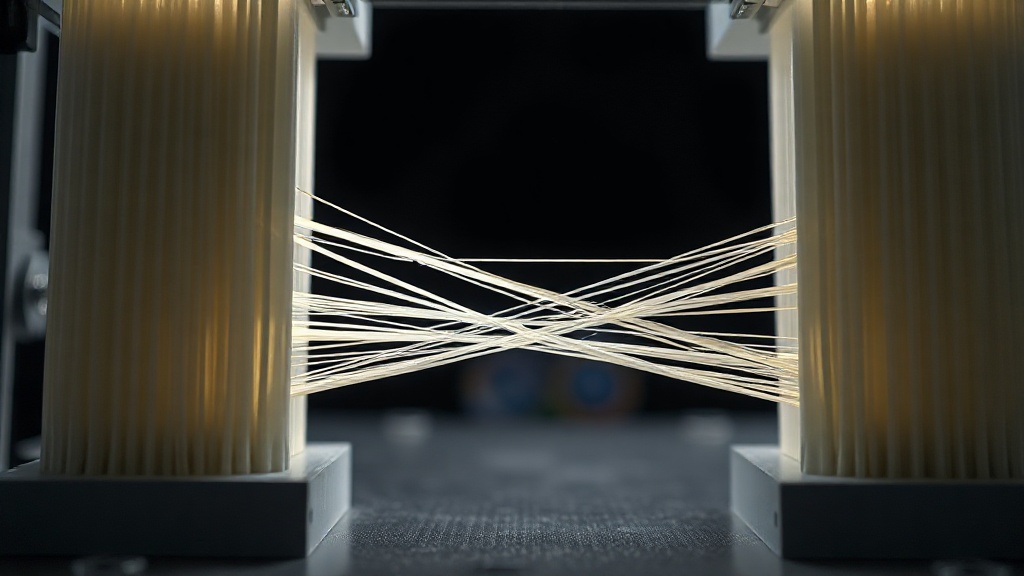

What Causes Stringing and How Can You Prevent It?
If you have ever pulled a print off the bed only to find fine threads stretched between parts like a spider web, you are not alone — this is one of the most common FDM issues and, fortunately, a fixable one. A permanent stringing fix requires first understanding why those threads form, then targeting the right variable. Stringing, also known as oozing or hairing, happens when molten plastic leaks from the nozzle tip during travel moves and solidifies into thin strings.
The Main Causes of Stringing
There is rarely a single culprit; stringing usually results from several factors combining at once:
- High nozzle temperature: Overly hot plastic becomes more fluid and oozes more readily.
- Insufficient retraction: If the retraction distance or speed is too low, pressure at the nozzle tip is not fully relieved.
- Moist filament: Filament that has absorbed moisture pops and crackles during printing and produces noticeably more stringing.
- Slow travel speed: When the print head moves slowly between parts, leaking plastic has more time to stretch into long strings.
How to Prevent It, Step by Step
When troubleshooting, change one variable at a time so you can clearly see which adjustment makes the difference:
- Lower the temperature: Reduce nozzle temperature in 5 °C increments; a temperature tower test is very useful here.
- Improve retraction: Gradually increase both distance and speed to find the cleanest result.
- Dry your filament: PETG and nylon are especially hygroscopic, so drying them in a filament dryer or a low-temperature oven before printing makes a noticeable difference.
- Increase travel speed: Raising the travel speed value leaves leaking plastic less time to stretch into strings.
- Review combing and ooze settings: Coasting and wiping features in your slicer can further reduce stringing.
Which Materials String the Most?
PETG and TPU are far more prone to stringing than PLA. If you are working with these materials, pay extra attention to drying and retraction settings. Most of the thin threads that do form can be cleaned up with a heat gun or by hand — but the goal should always be to prevent them from forming in the first place.
If you would rather skip the calibration hassle and receive a clean, print-ready part, upload your file and get a quick quote — leave the rest to our workshop.



 Türkçe
 العربية
 Русский
 فارسی
فارسی Deutsch