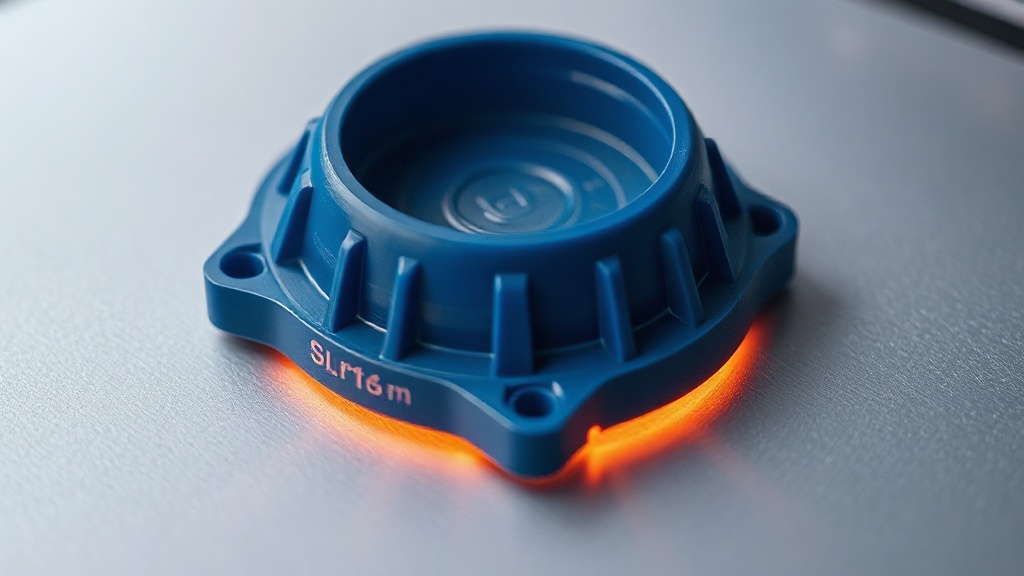

Boosting First Layer Adhesion Through Design: Brim, Mouse Ear, and Anchor
Few things are as frustrating as watching the corner of an hours-long print slowly curl up and lift off the bed. While the heated bed temperature or adhesive is usually blamed, a few steps taken on the first layer adhesion design side can largely solve this problem at the file stage itself. Because adhesion is not just a print setting — it is also a matter of geometry.
Why do corners lift?
In FDM, hot plastic shrinks as it cools. Especially with materials like ABS, this shrinkage starts at the points with the weakest grip on the bed — the sharp corners — and curls the part upward. This is called warping. The smaller the contact surface and the sharper the corner, the higher the risk of lifting. What we do through design is increase the area by which the first layer grips the bed.
Three practical solutions: brim, mouse ear, anchor
- Brim (skirt extension): A thin, single-layer band added around the perimeter of the part by the slicer. It enlarges the contact area, holds corners in place, and is easily trimmed after printing. It is the most general-purpose solution.
- Mouse ear: Small, flat discs placed only at problematic corners. Instead of surrounding the entire part with a brim, they hold only the critical corners; they reduce material use and the hassle of cleanup. You can also model these directly into your design.
- Anchor protrusions: Small, wide feet added to the outer profile of the model. Especially useful for thin and elongated parts, they anchor the part to the bed like a clamp.
Small touches on the design side
In addition to these add-ons, you can also make the geometry more adhesion-friendly. Adding small fillets to sharp outer corners reduces stress concentration. Wide, flat bases should be preferred where possible; leaving slightly wider seating surfaces instead of very thin contact feet noticeably improves adhesion.
With experience, it becomes possible to judge which part needs a brim and which will do with just a few mouse ears. In our workshop, we make this call for you based on material and geometry — so you won’t be dealing with warped, wasted prints. Send us your file from our order page and let’s determine together the solution that will keep your first layer solid.



 Türkçe
 العربية
 Русский
 فارسی
فارسی Deutsch