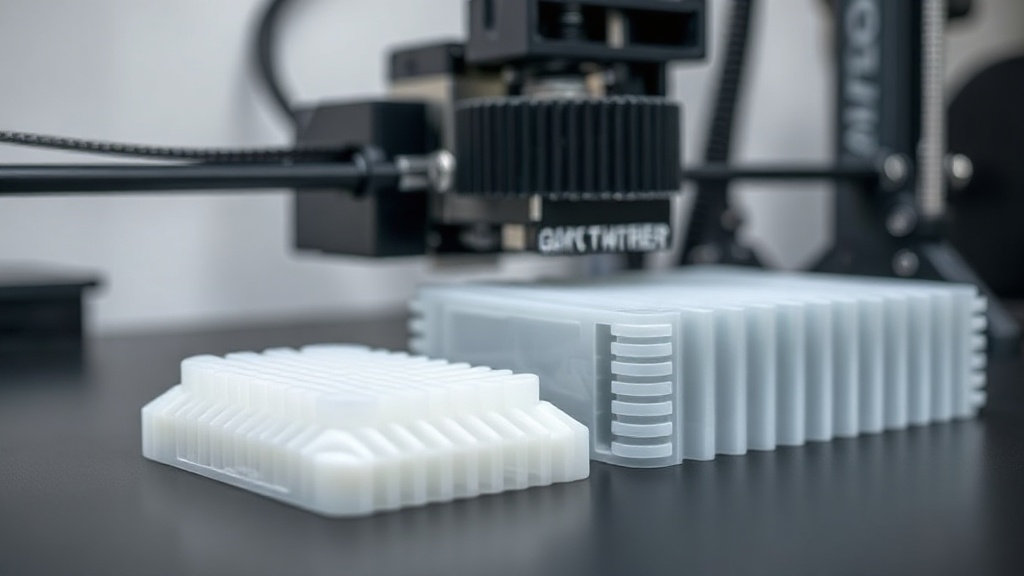

Belt Tension Adjustment: Solving Z Banding and Ghosting Problems
If you have noticed faint repeating shadows at the corners of a print or regular horizontal lines on the side surfaces, belt tension adjustment is one of the first things to check. A significant portion of surface problems such as ghosting and Z banding are related to the mechanical tension of the motion system, not directly to the extruder or filament.
Let’s Identify the Problem First
Ghosting consists of faint echoes of the original shape that appear at sharp corners and letter details where the printhead changes direction. Z banding, on the other hand, consists of horizontal undulations that repeat at certain intervals along the height of the part. These two issues can stem from different sources, but a loose belt is the most common factor that makes both visible.
Signs of a Loose Belt
- Noticeable vibration marks and shadowy repetitions at corners and details.
- Play or a “sloppy” feel when you push the head by hand.
- Inconsistent dimensions from print to print.
Signs of an Over-Tensioned Belt
- Premature wear on motor bearings and increased noise.
- Layer shifts and movement roughness.
- Strain on pulleys and general mechanical wear.
Finding the Right Tension
The goal is for the belt to be neither too loose nor too tight; a clear but not strained tension — similar to the ring of a firm guitar string — is ideal. You can follow these steps to adjust:
- Slightly loosen the belt tensioner screws or tensioning mechanism.
- Move the head along its axis a few times by hand to feel the mechanical engagement.
- Bring the belt to a point where it flexes very slightly when pressed with a finger and springs back quickly when released.
- Adjust the X and Y axes separately; usually only one of them is the problem.
What Else to Check Besides the Belt
If you have adjusted the tension correctly but ghosting persists, lowering the acceleration and jerk values will generally reduce the remaining artifacts noticeably. If Z banding continues, the lead screw straightness and the condition of the bearings should be checked. Getting all this mechanical balance right takes experience; it is not something you want to leave to chance on visually critical parts.
If you need parts with clean surfaces and sharp details, you can leave the production to us without worrying about calibration. You can get a quote and share your expectations with us through the quick order form.



 Türkçe
 العربية
 Русский
 فارسی
فارسی Deutsch