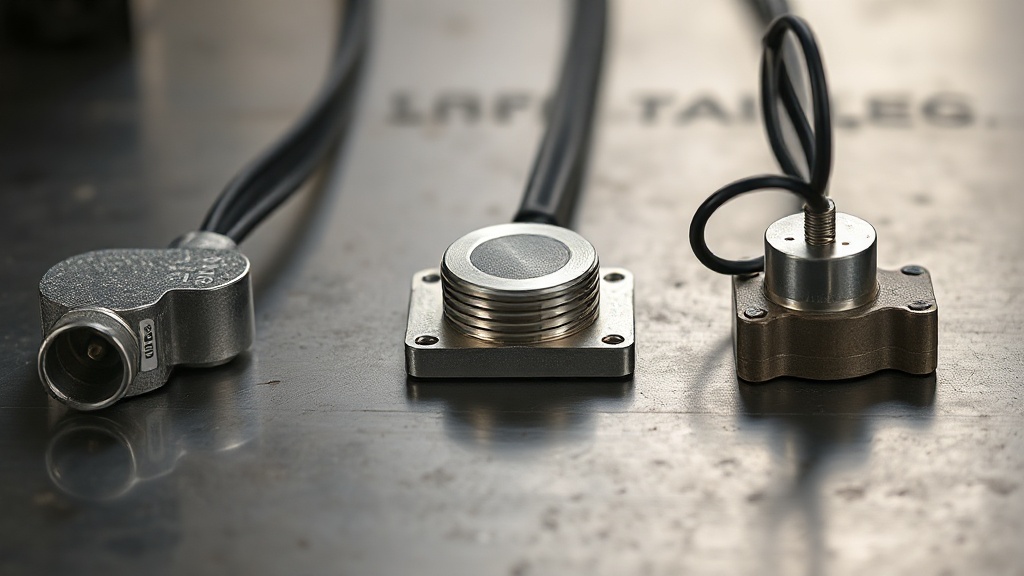

Auto Bed Leveling Sensor Comparison: BLTouch, Inductive, and Strain Gauge
When the patience required for manual leveling runs out, electronics step in. An automatic bed leveling sensor measures the distance between the nozzle and the bed at dozens of points, builds a height map for the firmware, and corrects the Z axis in real time during printing. However, the three main technologies on the market work quite differently from one another; the right choice depends on the material of your bed and your expectations.
BLTouch: The Tactile Classic
BLTouch uses an electromechanical probe that lowers a small pin to touch the bed and then retracts it. Its greatest advantage is that it works regardless of the bed material — glass, PEI, or metal, it does not matter. Because it has a moving part, the pin can wear over time or trigger falsely, yet it has long been the reference point for price-to-accuracy balance.
Inductive Probe: Contactless but Selective
Inductive sensors detect metal surfaces without making contact. With no moving parts, they are durable and fast.
- Pros: No wearing pin, performs very fast scanning.
- Cons: Only detects metal beds; may experience drift with temperature when sensing the metal beneath thick glass or PEI.
- Note: Readings can shift as ambient and bed temperatures rise, so calibration while warm is important.
Strain Gauge: When the Nozzle Itself Becomes the Sensor
Strain gauge systems measure the micro-stress that occurs when the nozzle contacts the bed. In other words, instead of a separate probe, the print head itself acts as the sensor. This approach completely eliminates the offset error between the sensor and the nozzle, giving very high accuracy, and it is becoming increasingly common in modern high-speed printers. In return, it requires more complex electronics and precise calibration.
Which One Should You Choose?
If you work with a wide variety of surfaces, BLTouch is a safe choice. If speed matters on a single-material metal bed, the inductive probe stands out. If you are looking for the highest consistency and are using a modern platform, the strain gauge delivers unquestionably the most accurate results.
If you want to print parts without losing time on sensor setup and calibration, submit your project via our rush order page — we handle all the calibration, including automatic leveling.



 Türkçe
 العربية
 Русский
 فارسی
فارسی Deutsch