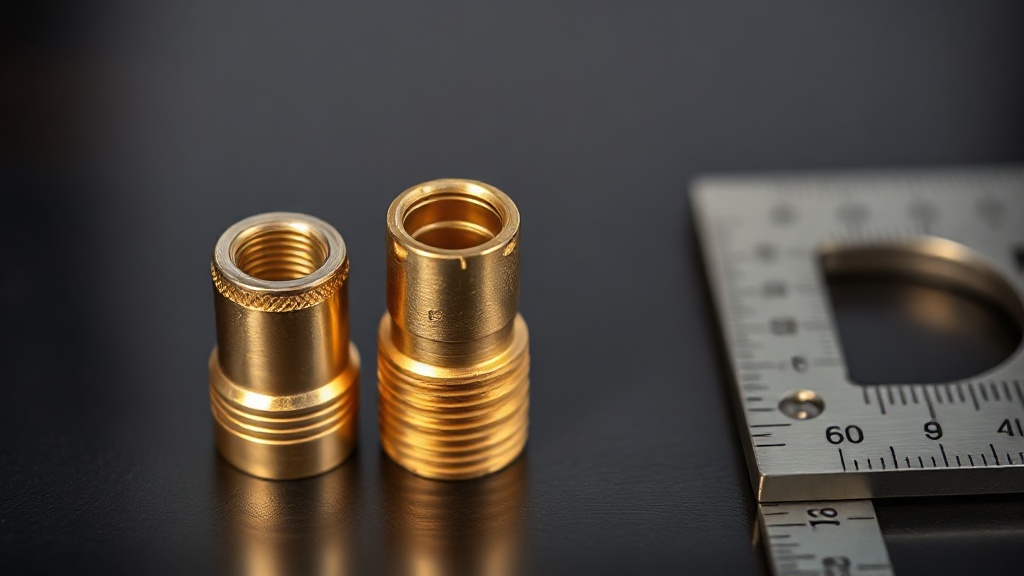

Nozzle Diameter Selection Beyond 0.4 mm: When Are 0.6 and 0.8 mm Advantageous?
Most 3D printers come out of the box with a 0.4 mm nozzle, and many users never venture beyond that diameter for years. Yet on the right project, a wider tip can dramatically reduce print time. Nozzle diameter selection is one of the most important decisions that determines the balance between speed and detail.
Why Is 0.4 mm the Standard?
0.4 mm is the factory default because it offers a balanced middle ground between detail and speed. It provides sufficient resolution for thin walls, small text, and precise geometries, making it more than adequate for most hobby and prototyping work. However, for large, solid parts this balance can become a disadvantage, as each layer fills with fine lines and print time grows.
0.6 mm: Balanced Speed Boost
A 0.6 mm tip noticeably speeds up printing without sacrificing too much detail. Because it lays down wider lines, walls are strengthened in a single pass and layer adhesion improves. It excels in the following situations:
- Medium-sized functional parts and brackets
- Mechanical components requiring strength
- Jobs where speed and reasonable detail are both needed
0.8 mm: Speed and Strength First
A 0.8 mm nozzle delivers real time savings for large-volume prints that don’t require fine detail. Thanks to thick lines and tall layers, parts come out faster and the bond between layers is stronger, increasing mechanical strength. Vases, molds, large body parts, and structural elements are ideal candidates for this diameter. The trade-off is that fine text and sharp small details lose their crispness.
A Practical Rule of Thumb
The general logic is: the larger and more strength-focused the part, the larger the diameter you should choose; the smaller and more critical the detail, the smaller you should stay. Keeping the layer height between roughly one quarter and three quarters of the diameter also helps maintain flow quality.
In our workshop we test the same model with different diameters to find the best balance of time, cost, and strength for each project ? which directly affects both delivery time and price. You can check current costs based on your project’s size on our production pricing page.
Before your next print, think about what the part needs to do and choose the diameter accordingly ? 0.4 mm is often not the best choice.


 Türkçe
 العربية
 Русский
 فارسی
فارسی Deutsch